
The General Glass Technology Training is an intensive one-week program that combines theory and hands-on experience to provide a comprehensive understanding of glassmaking, balancing both its scientific and practical aspects. Participants gain insight into raw materials, furnace operation, redox control, defect reduction, and batch-to-melt processes, while also exploring key topics such as sustainability, energy efficiency, emissions reduction, and future melting technologies. Designed for both newcomers and experienced professionals, the training equips attendees with the knowledge and skills to optimize glass quality, improve process efficiency, and address real-world production challenges, all while building valuable connections within an international network of glass industry experts.
With our expert trainers and a diverse group of 20+ professionals, you’ll not only deepen your knowledge but also build valuable connections that can propel your career forward. Share insights, collaborate with industry leaders, and gain access to a network that opens doors to new opportunities and growth in the glassmaking industry. Don’t miss the chance to invest in your future, connect, learn, and advance like never before.
Glassmaking is both an art and a science; whether you’re just starting or have years of experience, understanding the full spectrum of glass technology is key to staying ahead.
In just one week, you’ll gain hands-on experience, uncover industry best practices, and solve real-world challenges. Learn how to fine-tune your furnace and raw materials, manage redox issues, and effectively reduce defects. You’ll also dive into critical topics like sustainability, energy efficiency, and process control, skills that are key to optimize your production for better quality, efficiency, and sustainability.
Expand your professional network!
In addition to learning, we offer networking opportunities and industry-specific experiences to help you advance your career.
What you will learn
- Understand how various raw materials can be used to adjust your glass chemistry, properties and melting behavior
- Know how to react when redox-based issues occur that impact heat transfer, fining, foaming and color of the glass
- Select process design and operation parameters to achieve emission reductions, energy savings and improve the sustainability of glass production
- Be prepared for future glass melting concepts
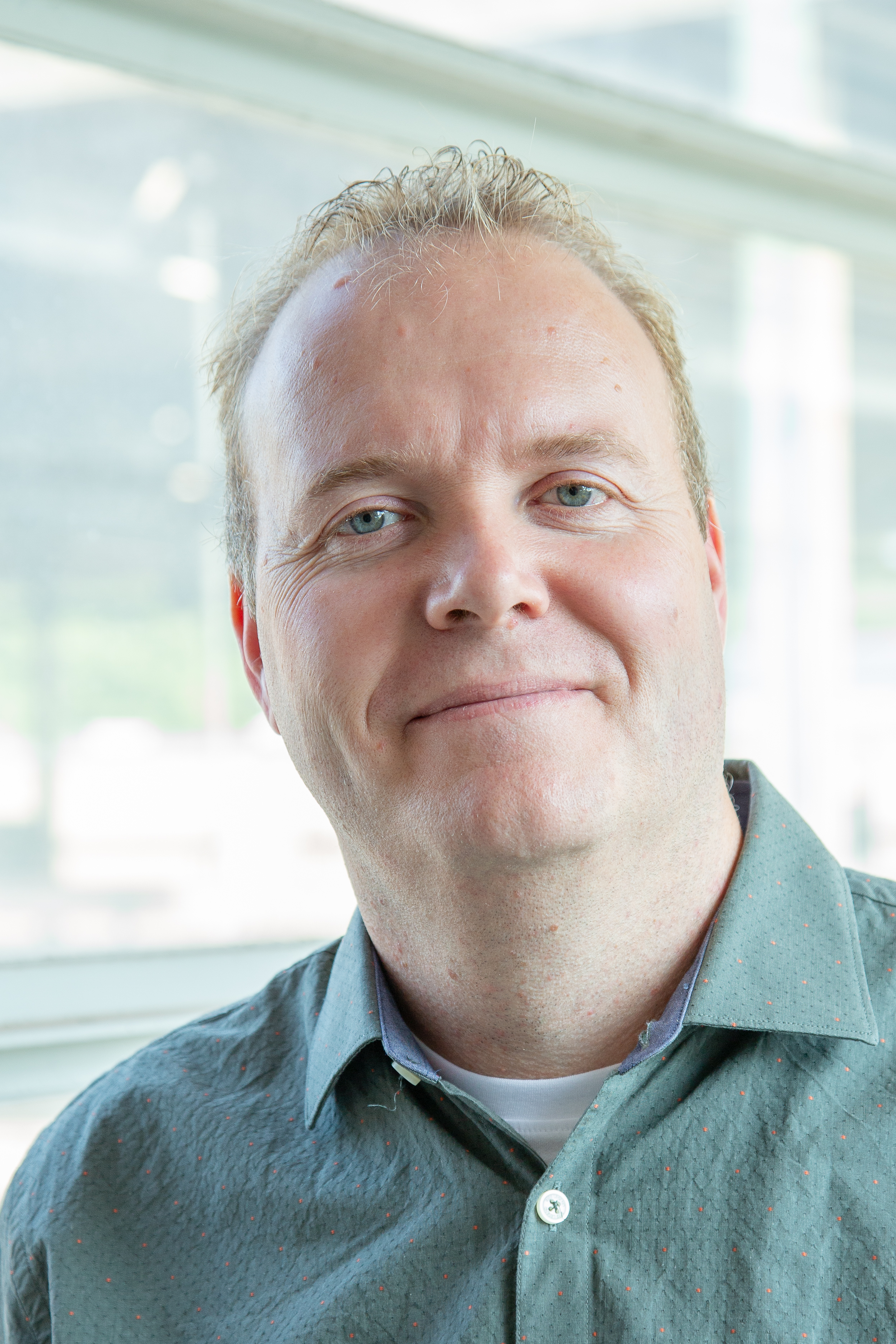
Sjoerd Stelwagen
Sjoerd Stelwagen studied Chemical Engineering at Eindhoven University of Technology. Directly after his study he started as a Technical Specialist at the Furnace department of Ardagh Glass in Dongen, The Netherlands, where he later became Batch and Furnace Manager. He then evolved as EHS manager for the Benelux plants. With more than 16 years of practical glass making experience, he joined Celsian in 2021 to work as a project manager and trainer.
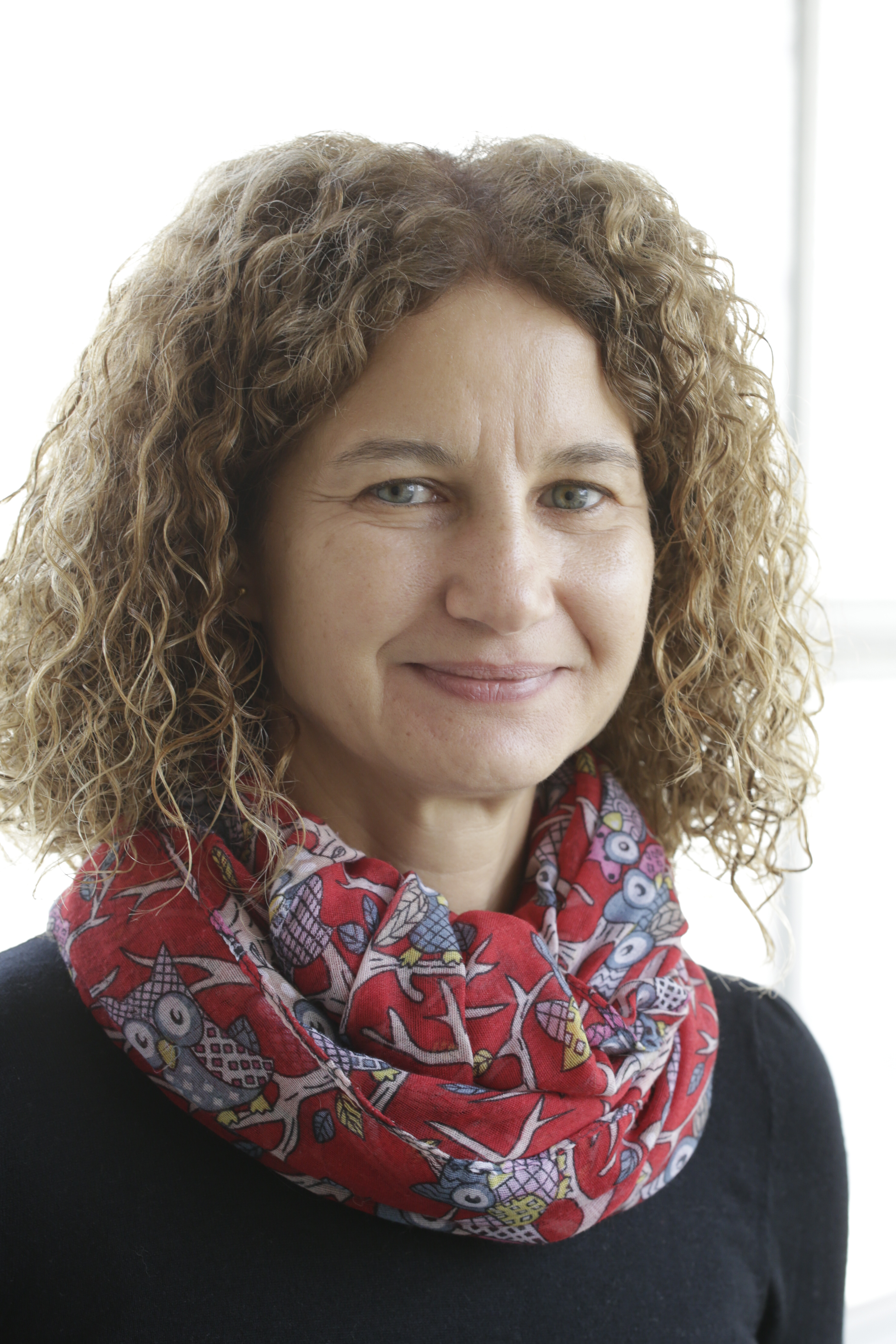
Arca Iyiel
Studied metallurgical and materials engineering in Ankara (Middle East Technical University) and obtained her PhD from Istanbul Technical University in 2009. She worked as furnace designer and glass properties manager for Şişecam improving, trouble-shooting or developing new glass formulations for different businesses and products (float, container, glassware, e-glass and technological glasses). She joined CelSian as laboratory manager, furnace operations and trainer in 2024.

Aled Meulenbroek
Aled Meulenbroek obtained a Master’s degree in Applied Physics at Eindhoven university of technology, specializing in fluid mechanics. He also holds a PhD degree in mechanical engineering on “Marangoni effects on hydrogen bubbles on a microelectrode”. He is passionate about Marangoni effects, fluid dynamics, heat transfer and the behaviour of bubbles in glass. He is experienced in supervising/educating students in fluid dynamics. Aled joined CelSian as a CFD engineer where he models glass furnaces and as a trainer at the CelSian Academy.
Johan Lotter
Johan Lotter obtained a master’s degree in chemical engineering from the University of the Witwatersrand. He worked at PFG building glass as a furnace engineer, technical expert, and manager of the technical department of two plants. He developed a large experience in raw materials, melting and floating process and defect analysis. He is now working as a CFD Engineer and trainer at CelSian.
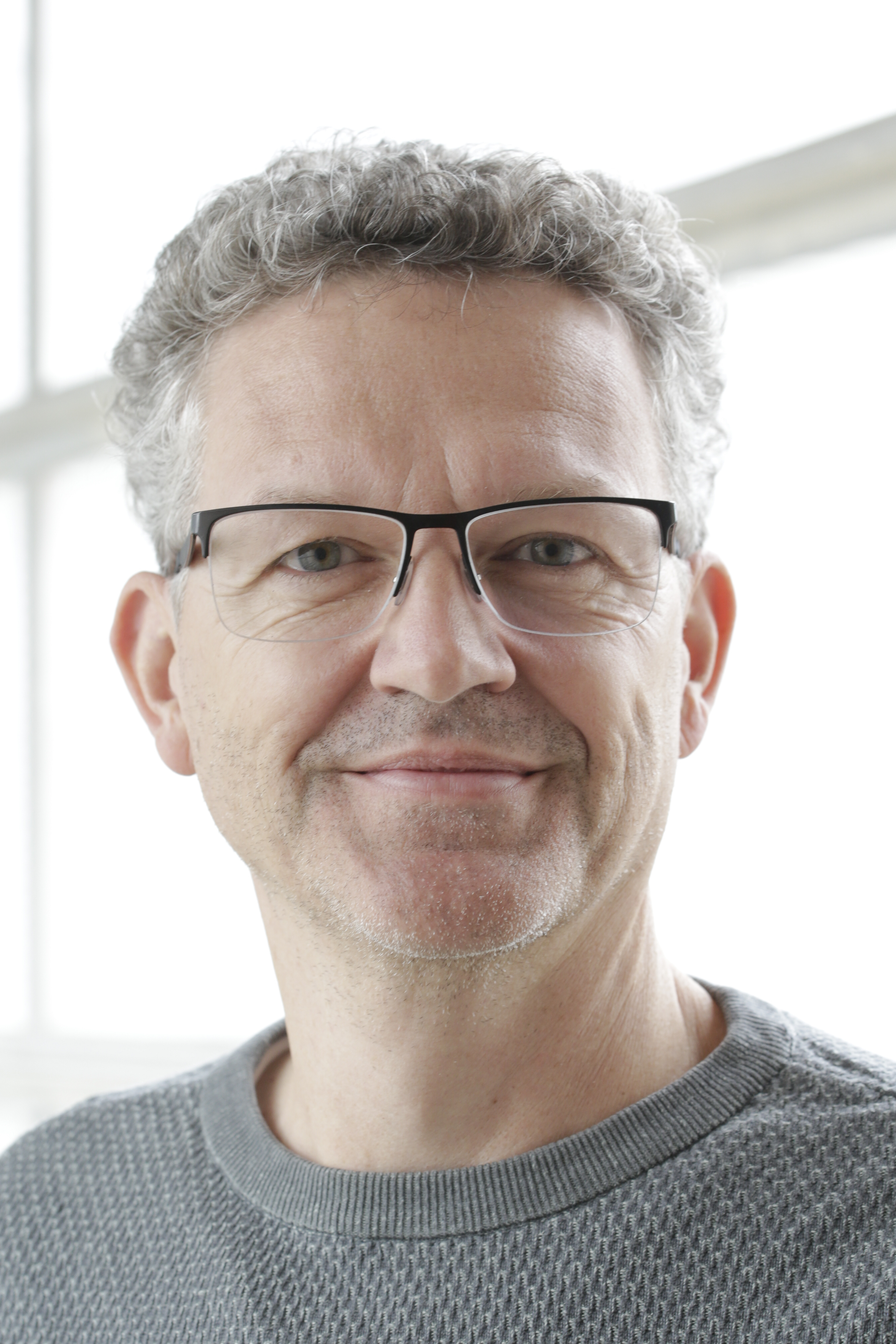
Marco van Kersbergen
Marco van Kersbergen studied chemical engineering at the HTS Eindhoven and has been working at CelSian since 1993. He designs and builds advanced laboratory setups that accurately simulate the conditions in glass furnaces. With his extensive experience in measurements at glass factories, he supports the glass industry and research. He is also an active member of TC-13, where he contributes to international knowledge development on emissions from glass furnaces, measurement methods and flue gas cleaning.
Eugenia Cruz
Use this block to showcase testimonials, features, categories, or more. Each column has its own individual text field. You can also leave the text blank to have it display nothing and just showcase an image.