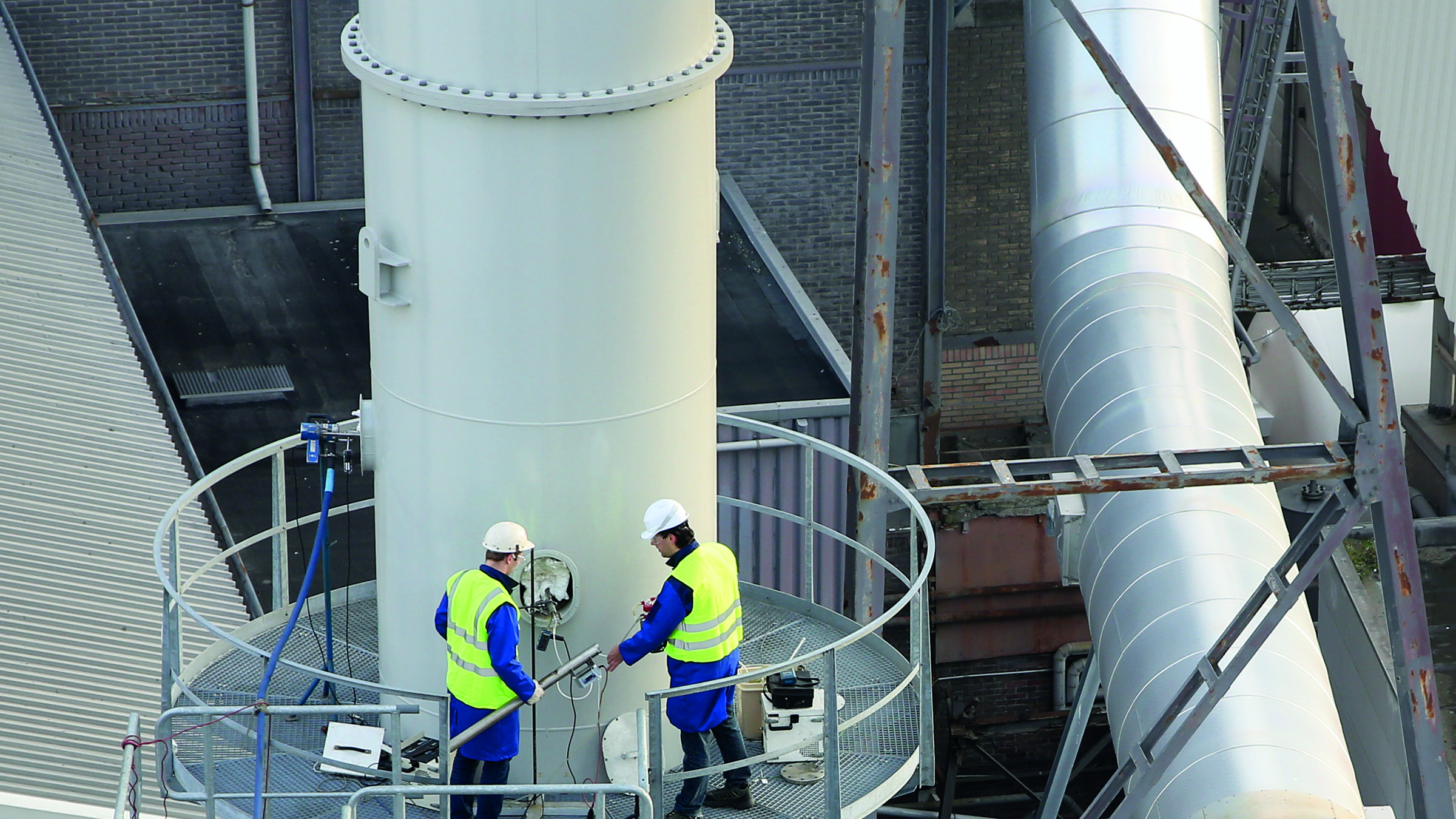
Optimizing energy use and reducing emissions in glass production.
The use of fossil fuels in glass furnaces significantly impacts energy consumption and emissions. This course covers the combustion mechanisms and burner types that influence heat transfer and the production of harmful emissions like NOx. Strategies to reduce emissions will be explored using both primary (process-integrated) and secondary (end-of-pipe) techniques. A new section will focus on decarbonization, covering the role of biogas, biofuels, and hydrogen combustion.
Attend if you are interested in:
- Combustion mechanism
- Emissions sources and legislation
- Glass furnace energy balance
- Radiation and heat transfer
- NOx formation
- Burner types
- Staged combustion
- Carry-over and evaporation
- Impact of combustion on redox
- Combustion monitoring & control
- Abatement technologies
- Introduction to decarbonization
- Biogas and Bio fuels
- Hydrogen combustion
What you take away:
- Recognize the mutual connection between batch components and the combustion atmosphere on the one hand, and glass quality and furnace lifetime on the other
- Know how to calculate industrially reasonable emission limits for various glass and furnace types
- Gain familiarity with emissions-reducing measures
- Identify the sources of emissions and develop mitigation strategies
Your trainers
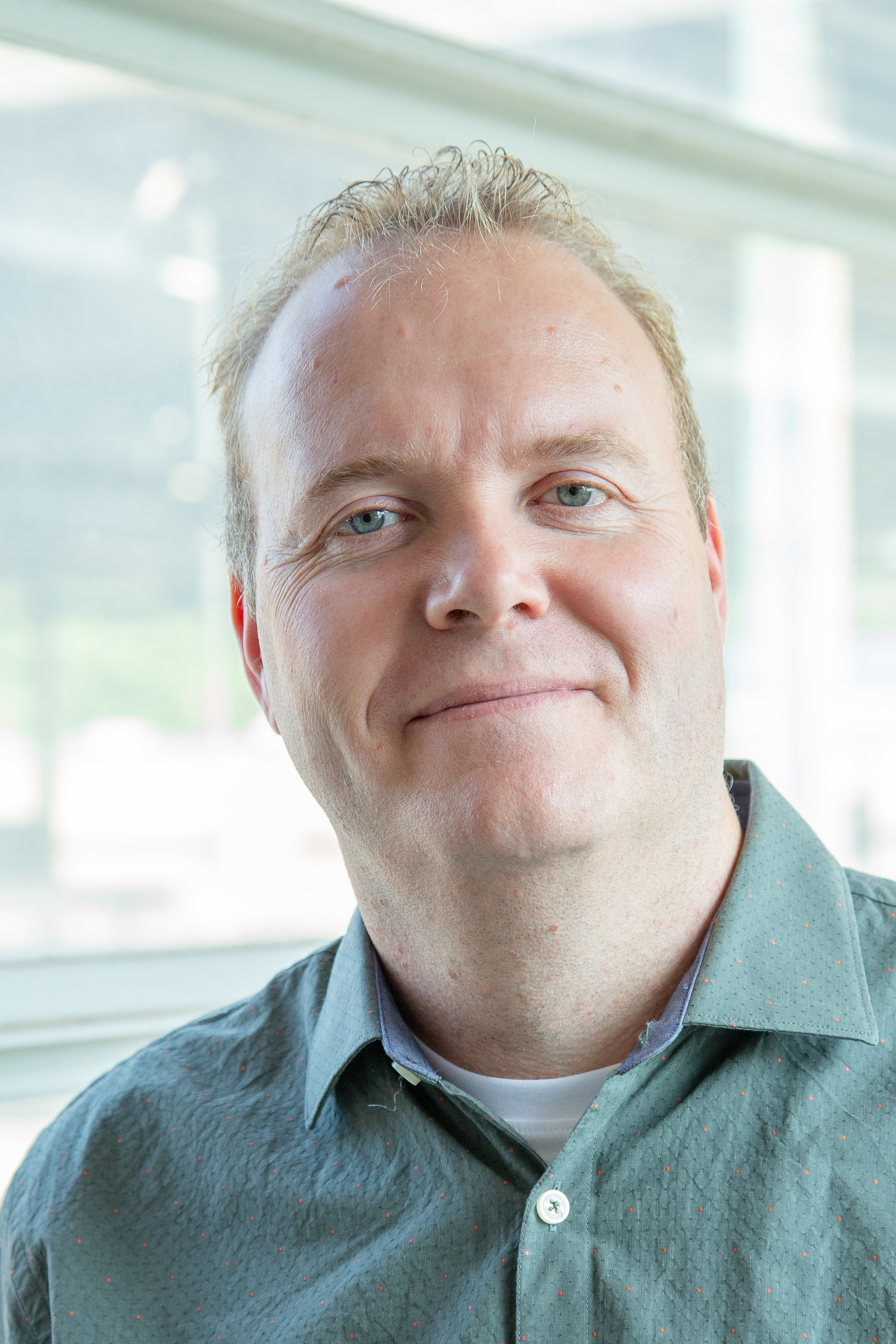
Sjoerd Stelwagen
Sjoerd Stelwagen studied Chemical Engineering at Eindhoven University of Technology. Directly after his study he started as a Technical Specialist at the Furnace department of Ardagh Glass in Dongen, The Netherlands, where he later became Batch and Furnace Manager. He then evolved as EHS manager for the Benelux plants. With more than 16 years of practical glass making experience, he joined CelSian in 2021 to work as a project manager and trainer.
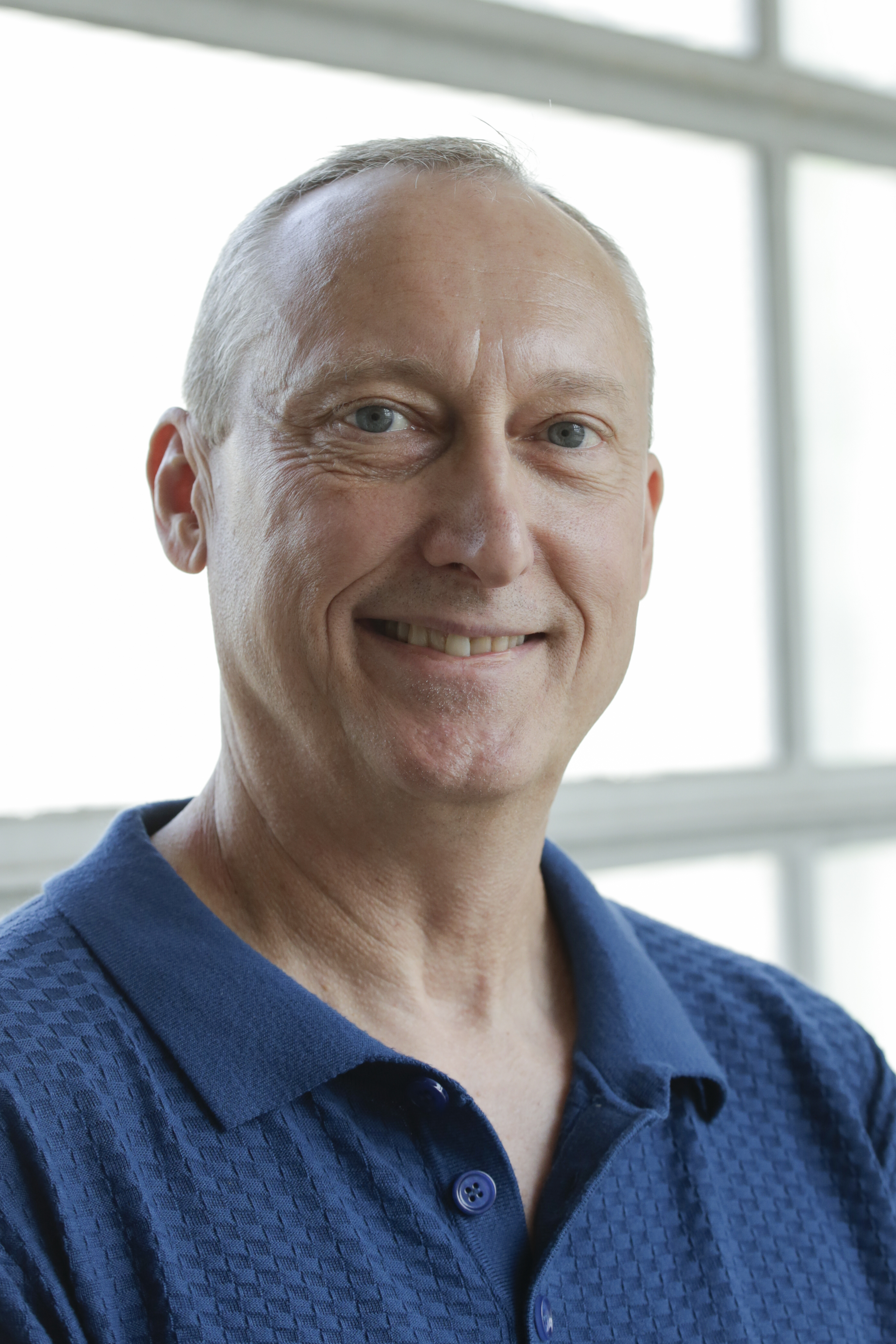
Jeff Watts
Attended Ohio State University, majoring in ceramic engineering. Worked in PPG Industries as a production engineer. At Anchor Hocking, he researched raw materials to improve glass quality and reduce costs. Spent 18 years at O-I, starting as a senior global furnace operations engineer. He was promoted to global furnace operations leader. In this role, he led an international team and oversaw the development and implementation of a global standard for furnace operations. In 2024, he joined CelSian as operations project leader.
Training costs € 1800- per participant
Price excludes tax and duties.