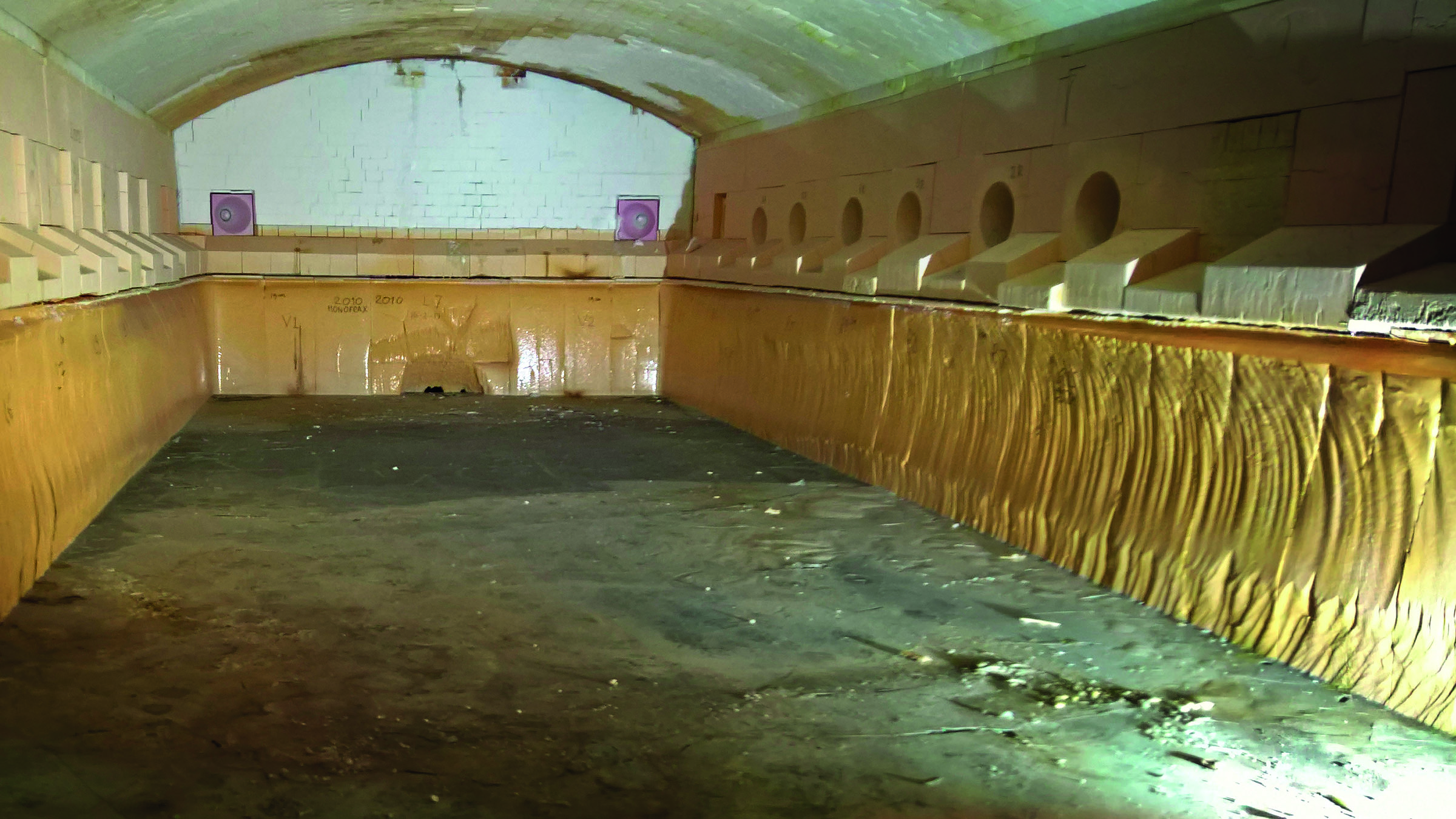
From cause to cure, master the science and solutions for bubble control.
Bubbles and seeds are leading causes of production rejections in glass manufacturing. This course addresses the root causes of these defects, covering everything from batch-to-melt conversion to downstream gas sources during forming. It explores the chemical and physical processes that drive bubble formation and provides strategies for effectively managing bubble-related issues, ensuring superior glass quality throughout production.
You should attend if you are interested in:
- Batch decarbonization, bubble formation, and interaction with the glass melt
- Bubble ascent and glass flow velocities
- Gas solubility, chemical fining and refining
- Physical fining
- Reboil mechanisms
- Downstream sources of gases and forming bubbles
- Practical guidelines in case of bubble upset
What you take away:
- Have a step-by-step approach to detect and resolve bubble problems
- Understand the many origins of bubbles
- Comprehend the numerous chemical and physical phenomena that contribute to bubble removal
- Understand how experimental and numerical tools can help identify and resolve root causes in the event of a bubble crisis
Your trainers
Johan Lotter
Johan Lotter obtained a master’s degree in chemical engineering from the University of the Witwatersrand. He worked at PFG building glass as a furnace engineer, technical expert, and manager of the technical department of two plants. He developed a large experience in raw materials, melting and floating process and defect analysis. He is now working as a CFD Engineer and trainer at CelSian.

Jeff Watts
Jeff Watts attended Ohio State University, majoring in ceramic engineering. Worked in PPG Industries as a production engineer. At Anchor Hocking, he researched raw materials to improve glass quality and reduce costs. Spent 18 years at O-I, starting as a senior global furnace operations engineer. He was promoted to global furnace operations leader. In this role, he led an international team and oversaw the development and implementation of a global standard for furnace operations. In 2024, he joined CelSian as operations project leader.
Training costs € 975- per participant
Price excludes tax and duties.